





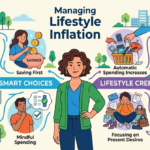




Economic conditions directly influence how individuals make lifestyle choices, especially in a dynamic context such as Indonesia in 2026. As the country experiences shifts in inflation rates, employment trends, and consumer confidence, these factors collectively shape spending behavior. This article explores the main economic influences affecting lifestyle decisions, highlights the challenge of lifestyle inflation, particularly in Indonesia, and offers practical financial management strategies to maintain a balanced and healthy financial life.
In 2026, Indonesia’s economy will continue to evolve amid global uncertainties and domestic policy responses. Factors such as commodity price fluctuations, government stimulus efforts, and changing labor market conditions contribute to the varying economic landscape. These changes not only affect macroeconomic indicators but also the day-to-day financial decisions of individuals and households. Recognising the interplay between broader economic trends and personal finances is essential for consumers looking to optimise their spending and saving habits in this environment.
Economic Factors Influencing Lifestyle Choices
Economic trends have a significant bearing on how people allocate their resources. Key indicators such as inflation, interest rates, and job market stability influence consumer confidence and spending habits.
How Economic Trends Affect Consumer Spending
In 2026, Indonesia faces ongoing inflationary pressures due to global supply chain disruptions and domestic economic policies. Increased prices for essentials reduce disposable income, causing consumers to be more selective in spending. For example, rising food and fuel costs may compel families to cut back on discretionary expenses like entertainment or travel. Conversely, periods of economic growth and rising wages often encourage increased consumption and lifestyle upgrades, as seen in urban areas where technology adoption and services consumption are rising.
Interest rates also play a crucial role; lower rates can make borrowing more affordable and stimulate spending, whereas higher rates tend to encourage saving and restraint in expenditures. For instance, favorable lending rates might lead first-time homebuyers or vehicle buyers to upgrade their lifestyle assets, while increased rates could shift focus toward savings and debt reduction.
Employment rates impact income security, influencing confidence in making larger purchases or lifestyle improvements. When job security is perceived as strong, consumers tend to spend more freely; during periods of unemployment concerns, spending usually contracts.
Understanding these economic trends helps explain why consumers might either tighten their budgets or increase spending, which ties directly into lifestyle inflation dynamics observed in Indonesia.
Challenges of Lifestyle Inflation and Financial Management
Lifestyle inflation refers to the tendency of people to increase their spending when their income rises. This phenomenon presents notable financial challenges, as incremental spending can outpace income growth, leading to reduced savings and potential debt accumulation.
Common Triggers of Lifestyle Inflation
Several factors trigger lifestyle inflation in Indonesia, including social influences such as peer pressure and the desire to maintain a certain social status. The growing influence of social media platforms can intensify this pressure by showcasing aspirational lifestyles. Access to credit facilities and digital payment platforms also facilitates easier spending, making it more tempting to spend beyond means.
Rising income without disciplined budgeting often results in expenditure on non-essential items, frequent dining out, luxury goods, or upgrades in transportation and housing. For example, individuals may opt for premium brands or larger homes as a visible marker of success, often without considering long-term financial implications.
Impact of Lifestyle Inflation on Personal Finance
Unchecked lifestyle inflation undermines long-term financial goals. Individuals may find themselves living paycheck to paycheck despite earning more. This situation compromises emergency funds, retirement savings, and increases vulnerability to economic shocks such as sudden illness or job loss.
Financial management becomes more complex as expenses grow, often leading to difficulty in tracking spending and prioritizing financial needs over wants. Over time, this can increase stress and limit financial flexibility during economic downturns, making it harder to achieve financial independence or stability.
Understanding Lifestyle Inflation Causes and Effects
Lifestyle inflation is driven not only by income changes but also by psychological and cultural factors. The aspiration to improve quality of life and social perceptions can intensify spending habits. For example, achieving certain milestones, such as a promotion or marriage, can prompt increased spending to reflect a ‘new lifestyle’.
Peer comparison and social media influence amplify desires for consumer goods and experiences previously considered luxuries. The widespread visibility of affluent lifestyles leads to normalized expectations for costly expenditures on gadgets, travel, and fashion. These societal pressures contribute to the expansion of lifestyle costs beyond sustainable limits.
Economically, lifestyle inflation affects consumer markets by increasing demand for luxury or premium products, which can drive price inflation in those sectors, further complicating personal finances. This cycle can perpetuate increased spending and create challenges for both consumers and the broader economy.
Examples of Effective Financial Management Practices
Consider a professional in Jakarta who recently received a salary increase. By setting clear budgeting rules, allocating a fixed percentage to savings, and resisting impulsive lifestyle upgrades, they successfully maintained financial stability. This included prioritizing essential expenses, reviewing subscriptions, and investing in financial education. Their approach allowed them to gradually build an emergency fund and invest for the future rather than inflating monthly expenses.
Another case involves a family in Surabaya who focused on conscious spending by distinguishing needs from wants and tracking monthly expenditures digitally. Their approach helped reduce unnecessary spending and increase emergency savings despite income growth. They also engaged in community activities that did not require significant spending, reinforcing their financial discipline.
A third example features a small business owner in Bandung who adapted by managing personal and business expenses separately, using profits to boost savings rather than indulging in spending. By carefully planning for taxes and reinvesting in their business, they avoided lifestyle inflation despite higher income, successfully balancing growth with financial prudence.
These examples highlight the importance of proactive financial planning and self-awareness to manage lifestyle inflation effectively.
Tips for Achieving a Balanced Lifestyle and Financial Stability
1. Create a Realistic Budget: Incorporate fixed expenses, savings goals, and discretionary spending limits to monitor and control lifestyle inflation. In the Indonesian context, it helps to factor in fluctuating costs of staples and transportation.
2. Build an Emergency Fund: Prioritize establishing a reserve fund to cover 3-6 months of living expenses to guard against economic uncertainties such as inflation shocks or job instability common in emerging markets.
3. Prioritize Financial Education: Stay informed about economic trends, investment opportunities, and money management techniques. Resources such as local seminars, online courses, and financial news in Bahasa Indonesia can increase accessibility.
4. Avoid Lifestyle Creep: Resist the urge to upgrade lifestyle immediately after income increases; instead, consider incrementing savings or debt repayment first. This is crucial in a market where peer comparison can be intense.
5. Use Financial Tools: Employ budgeting apps or consult financial advisors for tailored strategies that fit personal circumstances in Indonesia, taking into account regional cost differences and fiscal policies.
6. Mindful Spending: Differentiate between wants and needs, practicing conscious consumption to reduce impulsive purchases. Engaging in community sharing or local markets can help maintain cultural values while controlling spending.
Following these recommendations supports sustainable financial health, enabling consumers to adapt their lifestyle choices responsibly amidst evolving economic conditions.
Conclusion
Navigating economic factors and managing lifestyle inflation in 2026 poses a significant challenge but also an opportunity for improved financial discipline. Understanding how macroeconomic trends influence spending, recognizing the triggers and consequences of lifestyle inflation, and applying practical financial management techniques are crucial steps toward achieving a balanced lifestyle.
For individuals in Indonesia and beyond, cultivating financial awareness and intentional spending habits will serve as foundations for long-term stability and well-being in an ever-changing economic landscape. Embracing these strategies not only helps secure personal finances but also contributes to a more resilient and prosperous community overall.