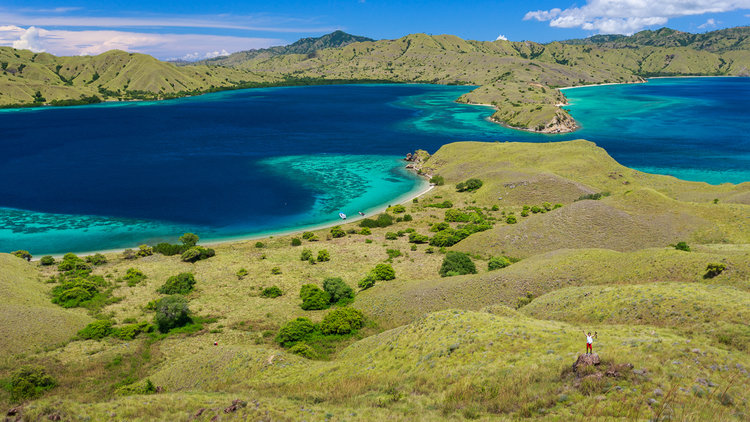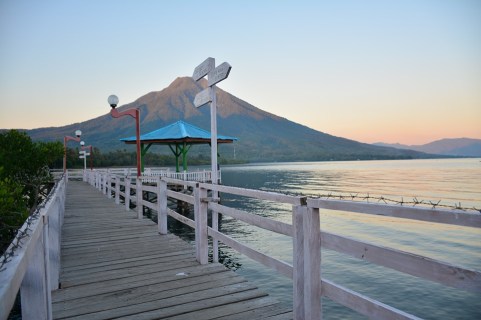







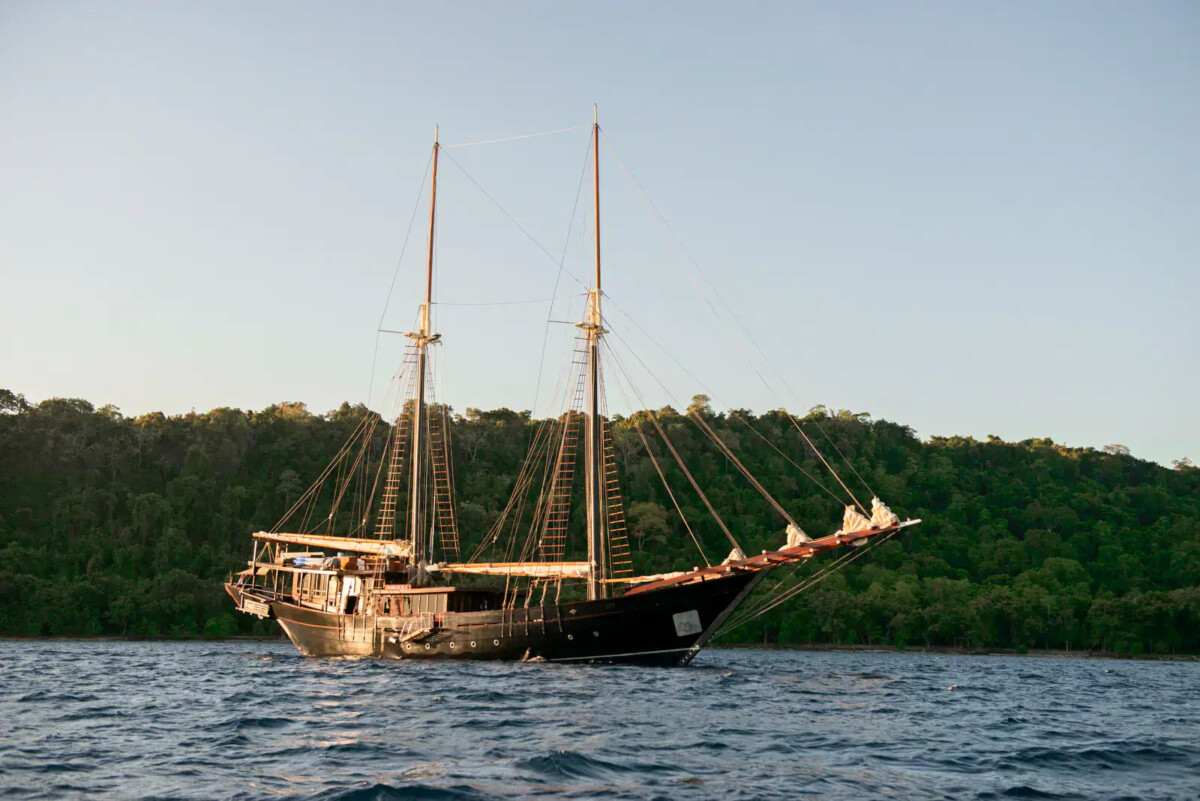
A Labuan Bajo trip is often imagined through Komodo dragons, dramatic hills, pink beaches, and clear tropical waters. Yet one of the region’s most memorable wildlife encounters happens after the day begins to slow down. At Kalong Island, thousands of flying foxes leave their mangrove roosts around dusk, filling the evening sky as the sun disappears behind the islands. Indonesia’s official tourism site highlights Kalong as a sunset destination where thousands of fruit bats emerge in flocks.

Why Is Kalong Island Such an Unexpected Wildlife Stop?
The surprise comes from contrast. Visitors usually arrive in the Komodo region expecting giant reptiles and spectacular underwater wildlife, not a sky filled with bats. Kalong Island changes that rhythm completely.
Instead of trekking or snorkeling, guests watch from the water as daylight fades and the first flying foxes appear above the mangroves. Scattered silhouettes gradually become streams moving across the sunset. That contrast can turn a Labuan Bajo trip into something more than a checklist of famous landmarks.
Travelers comparing a Labuan Bajo tour often focus on Padar, Komodo, Rinca, or Pink Beach. Kalong offers something different: there is no summit to reach and no animal to actively search for. The experience is simply about arriving at the right time and watching a natural daily movement unfold.
Also read Exploring Gili Lawa Darat: A First-Timer’s Guide with Top Activities and Travel Tips
What Happens at Sunset on Kalong Island?
Kalong is known for its mangrove habitat and the large numbers of flying foxes that emerge around dusk. Official Indonesian tourism information describes thousands of fruit bats crossing the evening sky, making sunset the defining moment of a visit.
For travelers planning a Komodo island tour, the timing creates a natural change of pace. A morning may involve hiking, followed by swimming or snorkeling in the afternoon, while the evening becomes almost cinematic: calm water, fading light, and moving silhouettes overhead.
A well-designed Komodo tour package can use this shift to make an itinerary feel more complete. Rather than filling every hour with another activity, Kalong gives travelers a reason to stop, watch, and absorb their surroundings.
Why Are Flying Foxes More Than a Sunset Sight?
Flying foxes are more than visually impressive animals. As a group, they can perform important ecological roles as pollinators and seed dispersers, contributing to forest regeneration by moving pollen and seeds between feeding and roosting areas. Research has highlighted how particularly important these functions can be within island ecosystems.
This gives the Kalong experience another layer of meaning. Watching the bats leave their roost is not simply a photo opportunity; it offers a glimpse into the ecological connections that support tropical island environments.
Even travelers primarily interested in diving in Komodo can appreciate this above-water wildlife encounter. It adds another dimension to a region famous for marine life and shows that some of its most memorable natural experiences occur beyond the reef.
How Does Kalong Fit Into a Komodo Itinerary?
Kalong works particularly well as an evening stop because it does not compete with daytime activities. Guests traveling aboard a Komodo liveaboard can arrive for sunset, watch the flying foxes emerge, and then continue their evening on board.
An open trip Labuan Bajo itinerary may also include Kalong within a shared sailing route, allowing travelers to experience the phenomenon as part of a broader journey through the islands.
Travelers searching for a Komodo Tour often compare itineraries by the number of destinations included. Kalong is a reminder that adding more stops does not automatically improve the experience. A thoughtfully paced Komodo tour gives each location enough time to make an impression.
The same principle applies to a Komodo boat tour. Kalong works especially well after an active day, when the atmosphere naturally shifts from adventure to a slower evening on the water.
What Makes Kalong Different From Seeing Komodo Dragons?
Komodo dragons are the region’s most famous wildlife icon, and Komodo National Park has been recognized as a UNESCO World Heritage Site since 1991. Kalong delivers almost the opposite kind of encounter.
Instead of focusing on a single land animal, visitors watch the entire sky change. The appeal comes from scale, movement, sunset light, and the anticipation of an event controlled entirely by nature.
For many travelers, the most memorable Labuan Bajo trip combines both experiences: observing Komodo dragons on land and later watching flying foxes move across the evening sky.
How Should You Plan the Kalong Island Experience?
Choose an itinerary that places Kalong near the end of the day and allows sufficient time to reach the area before dusk. The experience revolves around natural timing, so a relaxed arrival is preferable to rushing into position just before sunset.
Travelers researching Komodo Island tours from Bali should also consider Kalong as part of a wider sailing journey rather than a stand-alone attraction. Its appeal comes from how naturally it complements hiking, snorkeling, beaches, and other wildlife encounters within the Komodo region.
Bring a camera that performs well in low light, but leave some time to watch without a screen. Wide photographs can capture the scale of the bats moving across the horizon, while simply sitting on deck and watching the sky can become the most memorable part of the evening.
Frequently Asked Questions About Kalong Island
A Different Kind of Komodo Memory
A Labuan Bajo trip may begin with dreams of Komodo dragons, but Kalong Island proves that unexpected moments can be just as powerful. Watching thousands of flying foxes move across a glowing evening sky offers a completely different perspective on the wildlife of eastern Indonesia.
Make space for Kalong at sunset and allow the journey to slow down. It may be one of the quietest stops on your route—and one of the moments you remember longest.