










Have you ever bought sneakers from an Instagram store and proudly posted them on your feed? Or maybe you live-streamed yourself unboxing the latest iPhone? Whether you realized it or not, you were creating something called user-generated content (UGC). And it’s one of the most authentic forms of content out there.
So, What Exactly is UGC?
UGC, or user-generated content, is original content about a product or service created by everyday people, not the brand itself. It comes in many shapes and sizes—social media posts, reviews, blog articles, videos, or even podcasts. It could be as simple as a customer flaunting their new purchase in a selfie or filming an unboxing video for their followers. Loyal customers, passionate about the brand, often drive UGC by naturally sharing their experiences. In a nutshell, UGC is any form of content made by users, for other users.
Also Read: Small Businesses and AI: Affordable Strategies for a Competitive Edge
Why is UGC Such a Big Deal for Brands?
Now that we’ve cracked the code on what UGC is, let’s dive into why it’s so essential for brands in today’s digital-first world. UGC is like word-of-mouth on steroids. It’s more credible because it’s coming from real people—not a brand pushing its products. As Hootsuite puts it: “UGC gives customers the chance to be part of a brand’s story instead of just being spectators.” This fosters brand loyalty and creates a sense of community, giving people a feeling of belonging.
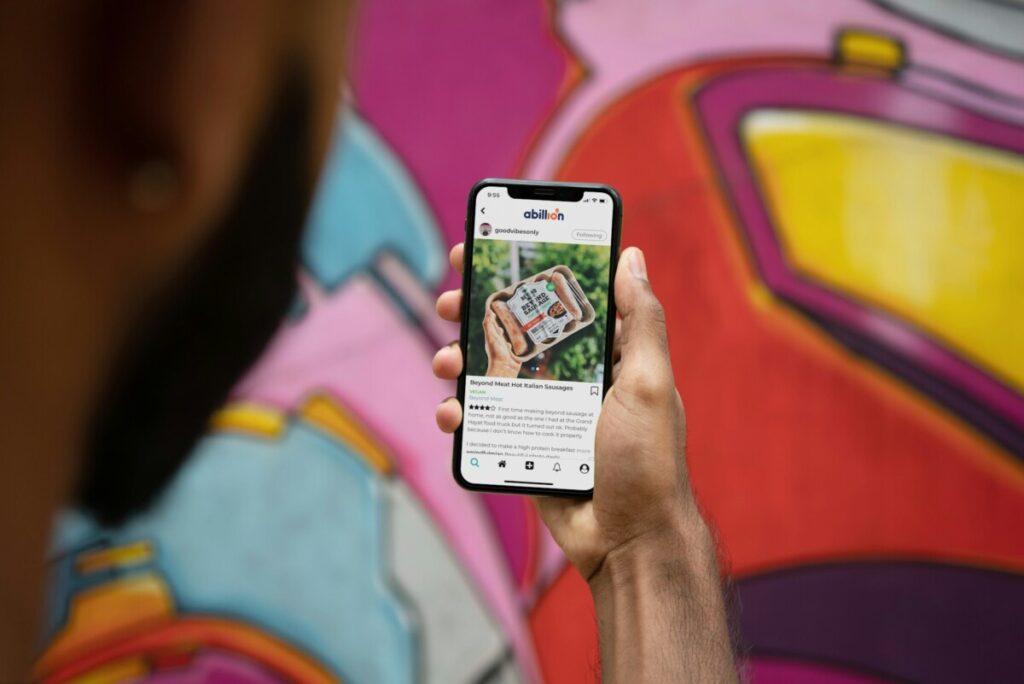
What makes UGC so powerful is its authenticity. It’s raw, unfiltered, and relatable. Unlike overly-polished brand content, UGC feels like a genuine recommendation from a friend. No airbrushing, no sugar-coating—just real experiences. So what can UGC do for your brand? Let’s break it down.
- Social Proof: The Secret Sauce Behind Purchases
People trust people, not marketers. That’s the magic of social proof. UGC acts as a digital thumbs-up from others who’ve bought your product. It’s someone’s stamp of approval, and we humans love validation. When potential customers see others using and enjoying your product, it helps build trust and encourages them to take the plunge.
In fact, 60% of consumers say content from friends or family influences their purchasing decisions. Seeing real people enjoying a product makes it feel more relatable and attainable—and, ultimately, more enticing to buy.
- Unlimited, Authentic, and Organic Content
Brands that embrace UGC are giving their customers the spotlight. It’s a win-win! Take the Sugar Factory, for instance. It’s one of the most Instagrammed restaurants in America, thanks to its over-the-top, camera-ready presentations. Every table turns into a mini marketing machine, with customers snapping photos of their colorful cocktails and dishes. Traditional ads can’t compete with the organic buzz generated by UGC, and the possibilities are endless when customers are creating content for you.
- A More Human Approach
People crave belonging. UGC taps into that need, building a sense of community around shared experiences. When potential customers see others excitedly talking about a product, they naturally want to be part of the buzz. This leads to diverse, creative content that not only builds brand exposure but also boosts web traffic and engagement. The sense of connection and trust created by UGC can turn curious browsers into loyal customers.
How Do Brands Leverage UGC?
So, how can brands get their hands on all this excellent user-generated content? Most of the time, it’s right under your nose—on social media. Brands can search for relevant hashtags, check where they’ve been tagged, or simply ask users to share their content. Running contests, giveaways, or campaigns that encourage customers to post with a branded hashtag is another great way to spark UGC.
But remember, always get permission from the creator before reposting their content. A simple direct message or email asking for approval does the trick. Once you’ve got the green light, you can incorporate UGC into your brand’s online presence—whether it’s reposting on social media, featuring it in email campaigns, or even displaying it on product pages.