








As urban populations grow and housing costs climb, co-living reshapes people’s thinking about city living. Co-living spaces, designed to offer affordability, convenience, and community, are emerging as a popular solution for young professionals, students, and even digital nomads. Developers are embracing this trend, integrating shared amenities and fostering a sense of community that traditional housing often lacks.
What is Co-Living?
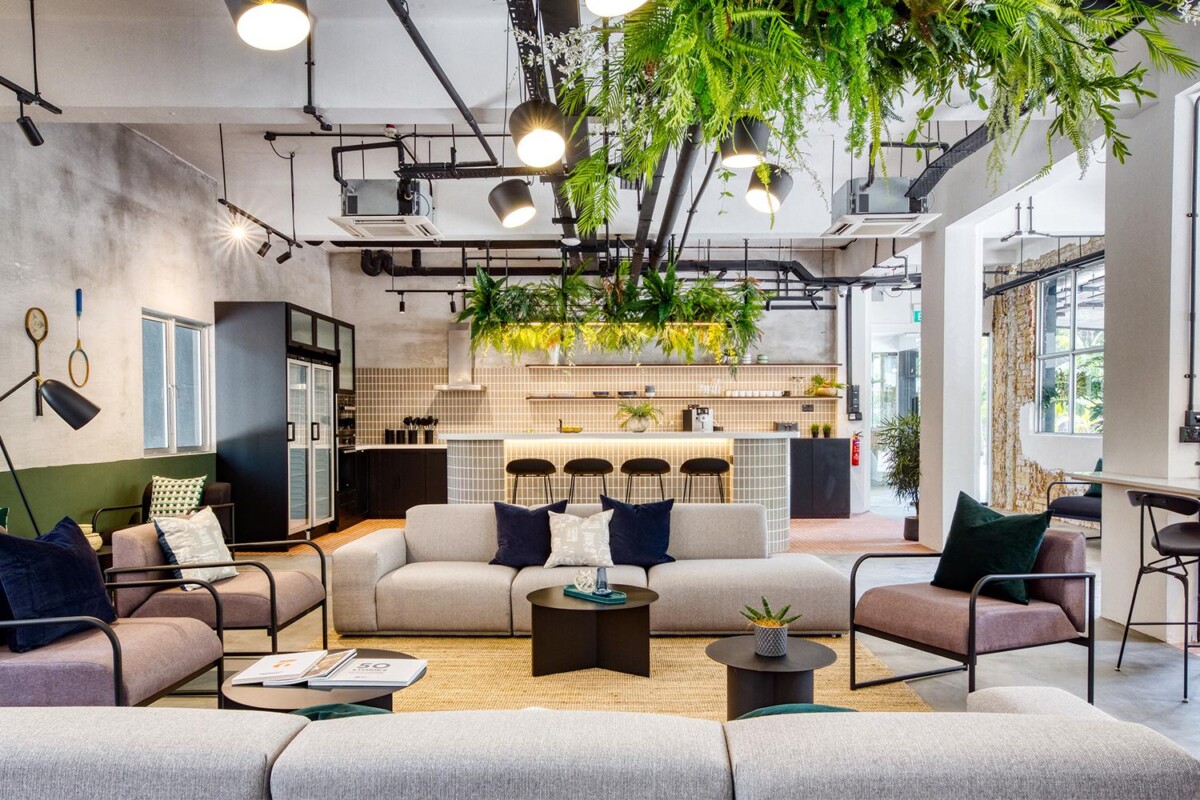
Co-living is a modern housing arrangement where individuals rent private rooms while sharing common spaces such as kitchens, living areas, and recreational facilities. Unlike traditional roommates, professional companies typically manage co-living spaces and offer fully furnished rooms, all-inclusive utilities, and access to communal activities.
The concept is rooted in reducing the isolation that often comes with urban living, promoting connections among residents while addressing practical concerns like housing affordability.
Read more Small Businesses and AI: Affordable Strategies for a Competitive Edge.
Why is Co-Living Growing in Popularity?
Affordability
Living in a city often comes with a significant cost. Co-living offers a cost-effective alternative, as shared spaces reduce overall living expenses. Utilities, Wi-Fi, and cleaning services are usually included in the rent, eliminating hidden costs and making budgeting easier.
Community and Connection
In an era of digital communication, many people crave genuine in-person connections. Co-living spaces promote a sense of belonging by organizing social events, workshops, and shared meals, making it easier for residents to build relationships.
Convenience
With turnkey accommodations, co-living eliminates the hassle of setting up a home. Residents move into fully furnished spaces, complete with modern amenities. Flexible lease terms also cater to those with transient lifestyles, such as remote workers or travelers.
How Developers Are Catering to Co-Living Demand
Developers are recognizing the growing demand for co-living and are creating spaces that appeal to urban dwellers’ needs. Modern co-living spaces often feature:
- Shared Amenities: Rooftop lounges, gyms, coworking spaces, and even cinema rooms are becoming standard offerings. These amenities not only add value but also encourage interaction among residents.
- Prime Locations: Situated in the heart of cities, co-living provides easy access to workplaces, public transport, and entertainment hubs.
- Tech Integration: From keyless entry systems to community apps for booking amenities or attending events, technology is enhancing the co-living experience.
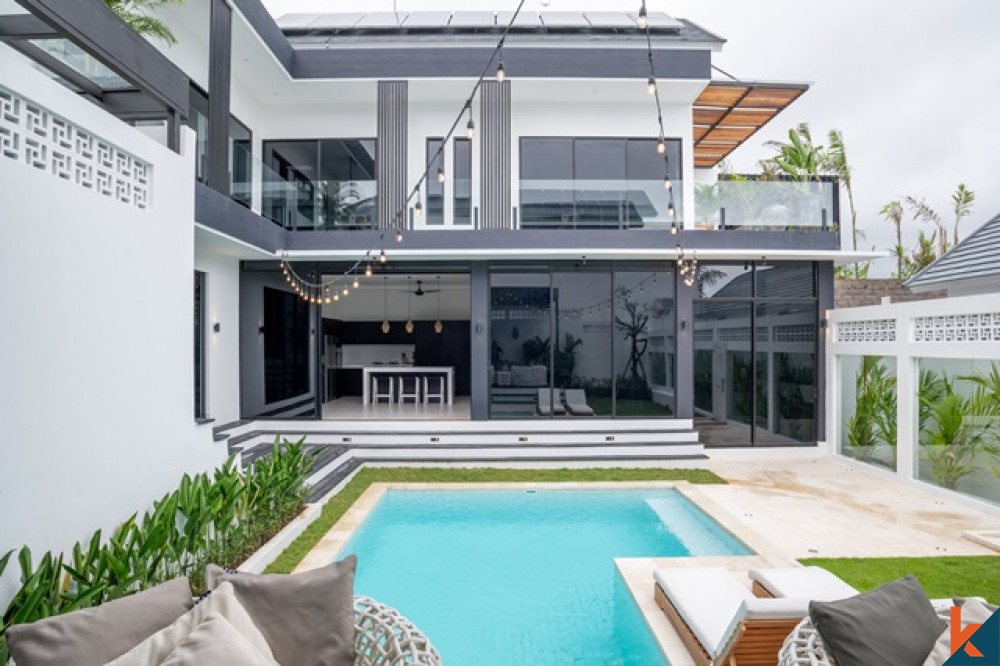
- Sustainability: Many co-living developments emphasize eco-friendly designs, incorporating solar panels, energy-efficient appliances, and waste reduction systems.
What’s Next for Co-Living?
As cities expand, the demand for affordable and community-centric housing will grow. Co-living are poised to evolve further, potentially catering to a broader demographic, including families and retirees. Additionally, integrating wellness-focused amenities and green building practices will probably be more significant in future developments.
Co-living represents a significant shift in urban housing, blending affordability with community and convenience. As more people seek meaningful connections and practical solutions to urban challenges, co-living spaces are setting a new standard for city living. Whether you’re a young professional or a digital nomad, co-living could be the key to thriving in the bustling urban landscape.